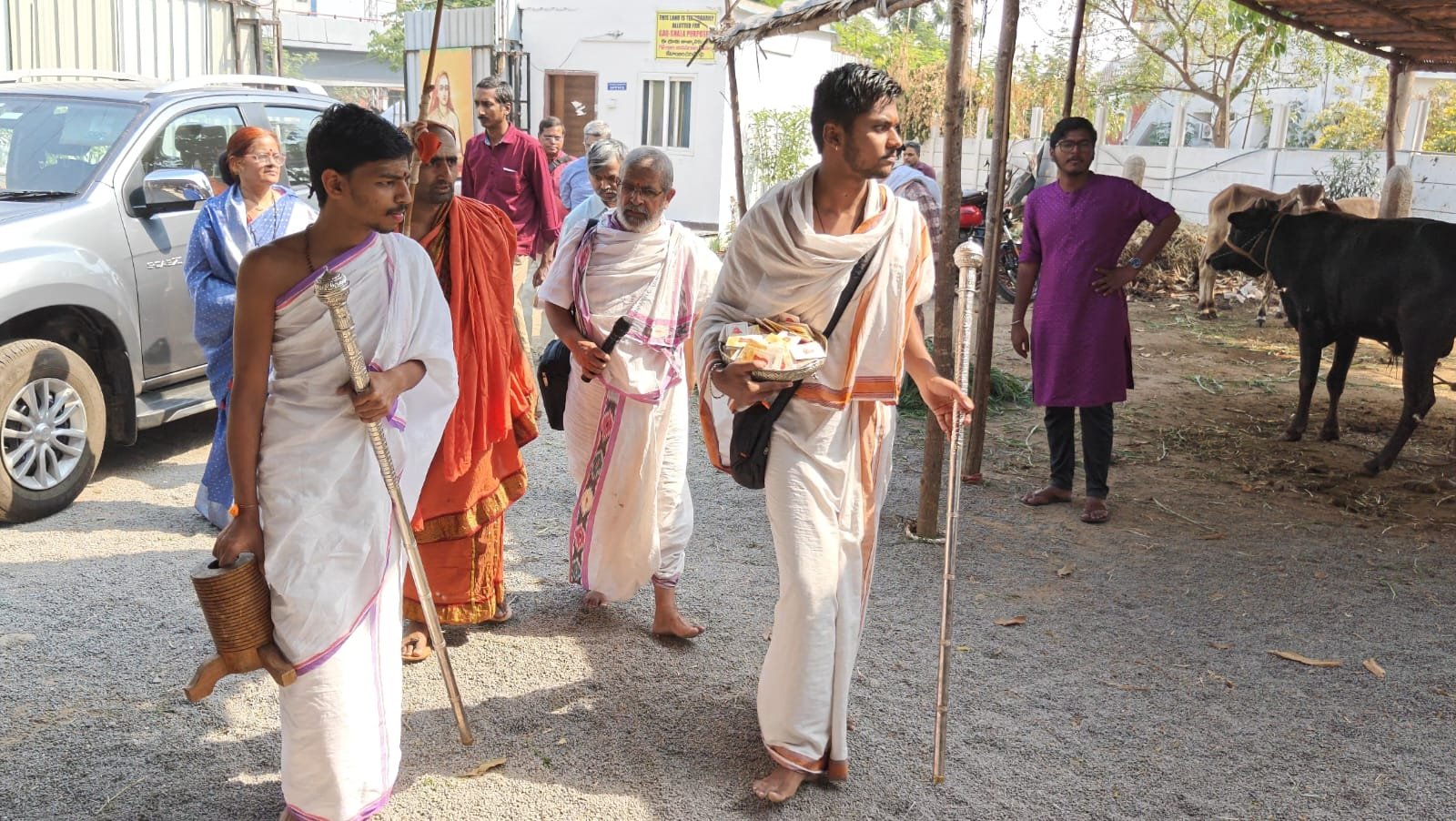
THE ROUND-TABLE CONFERENCE
Effective Indigenous Education System & Collaboration of stake holders.Date: March 7, 2026
Context: The Crisis in Modern Education
The Role of 'SUDHEE'
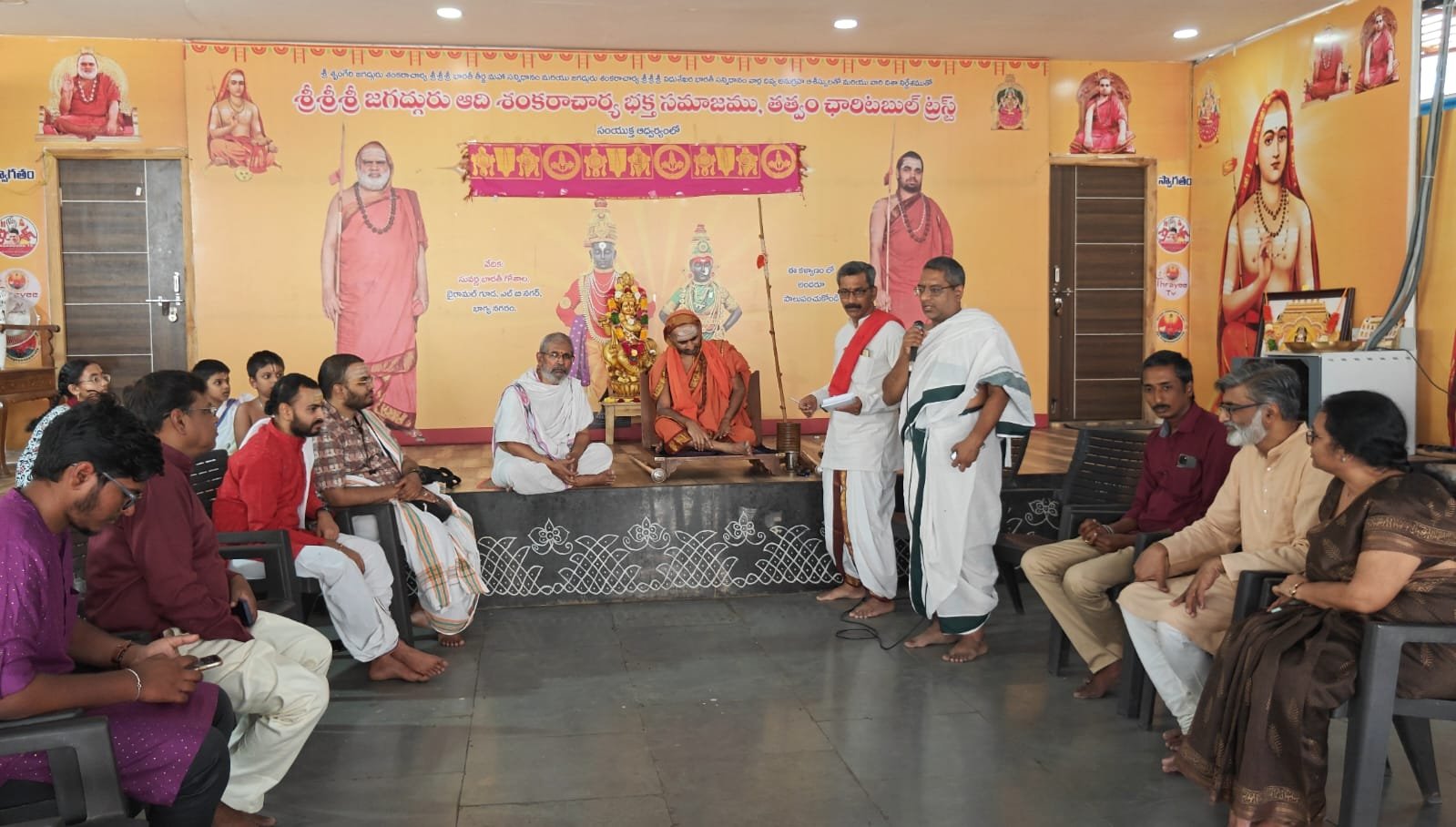
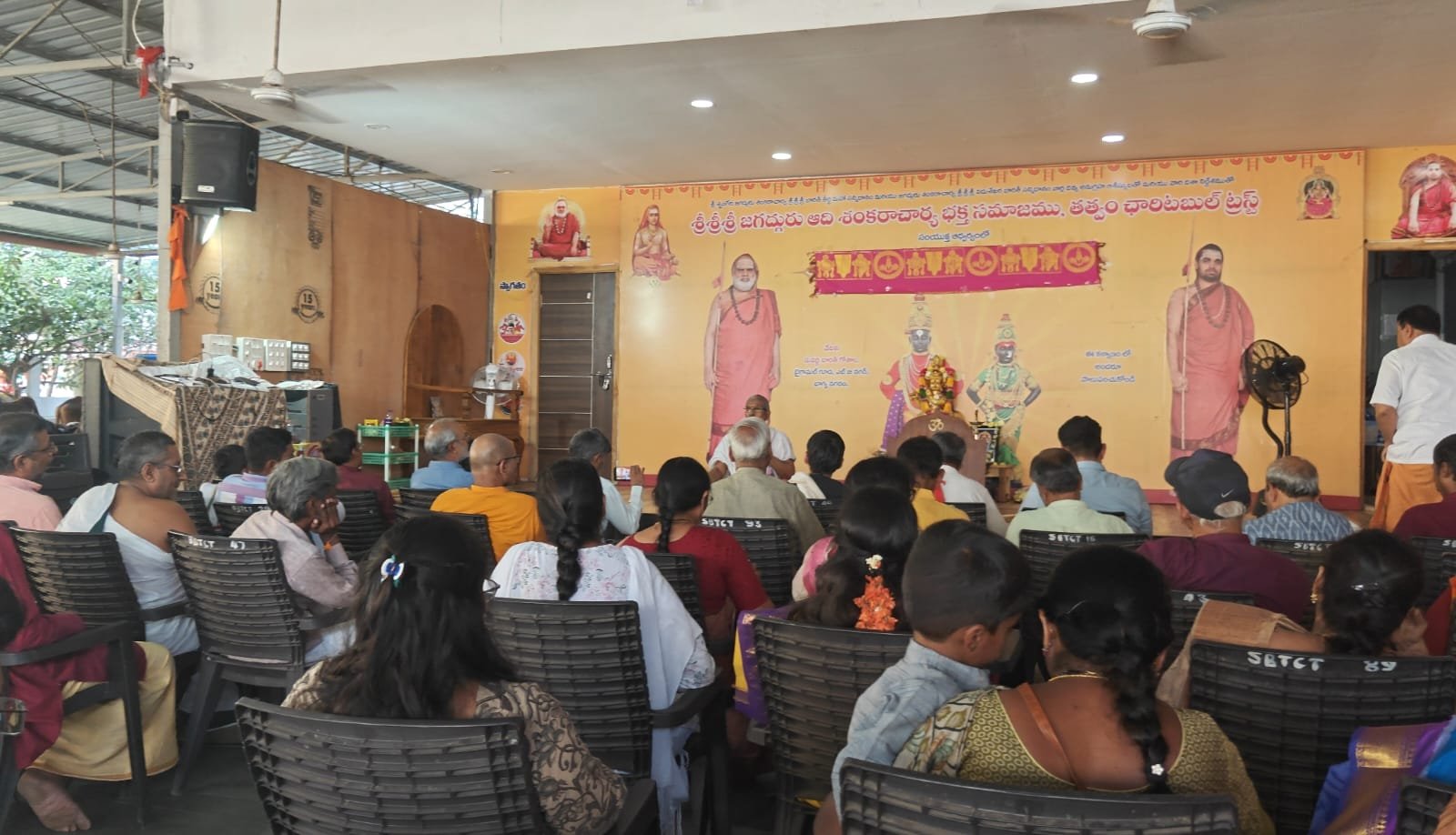
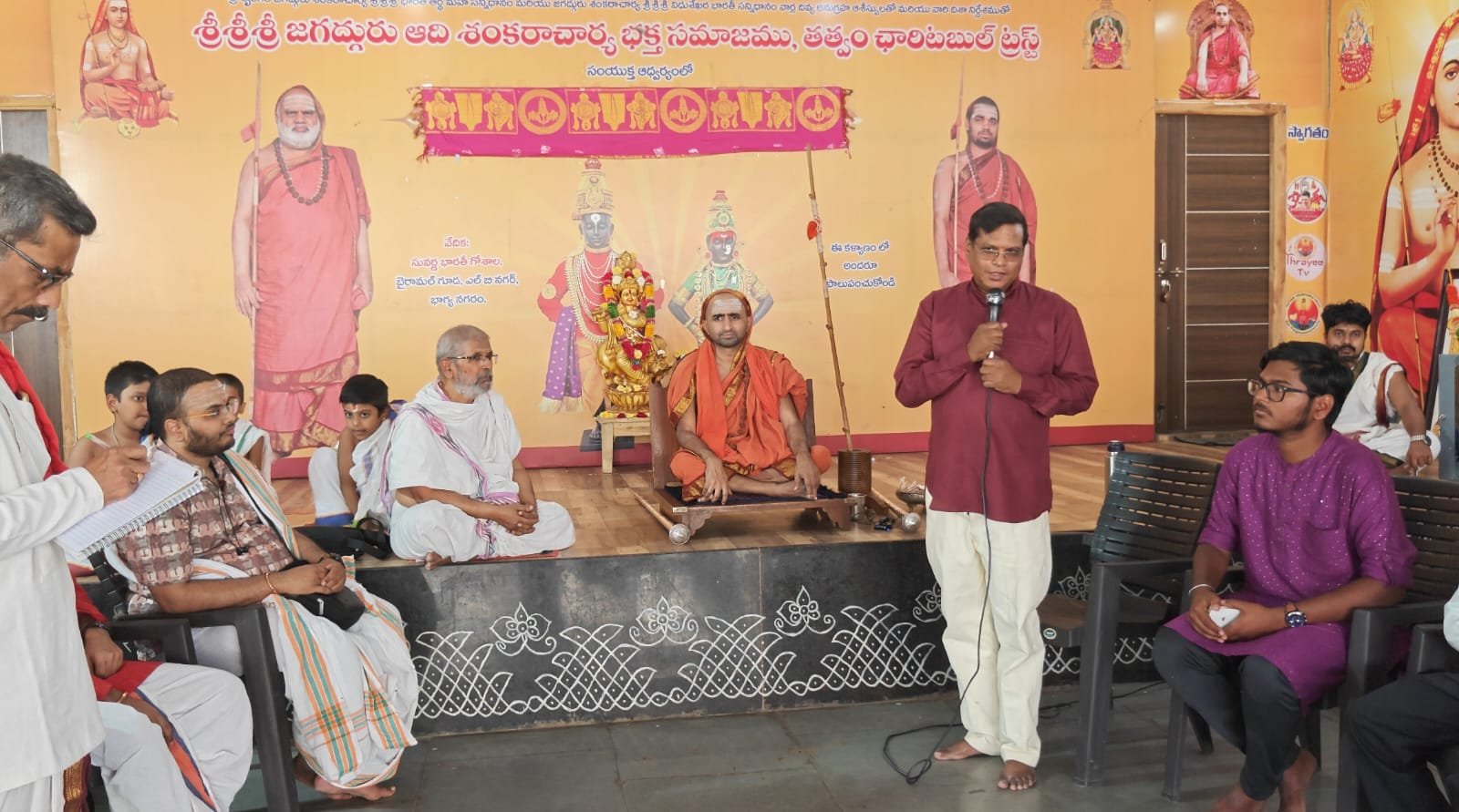
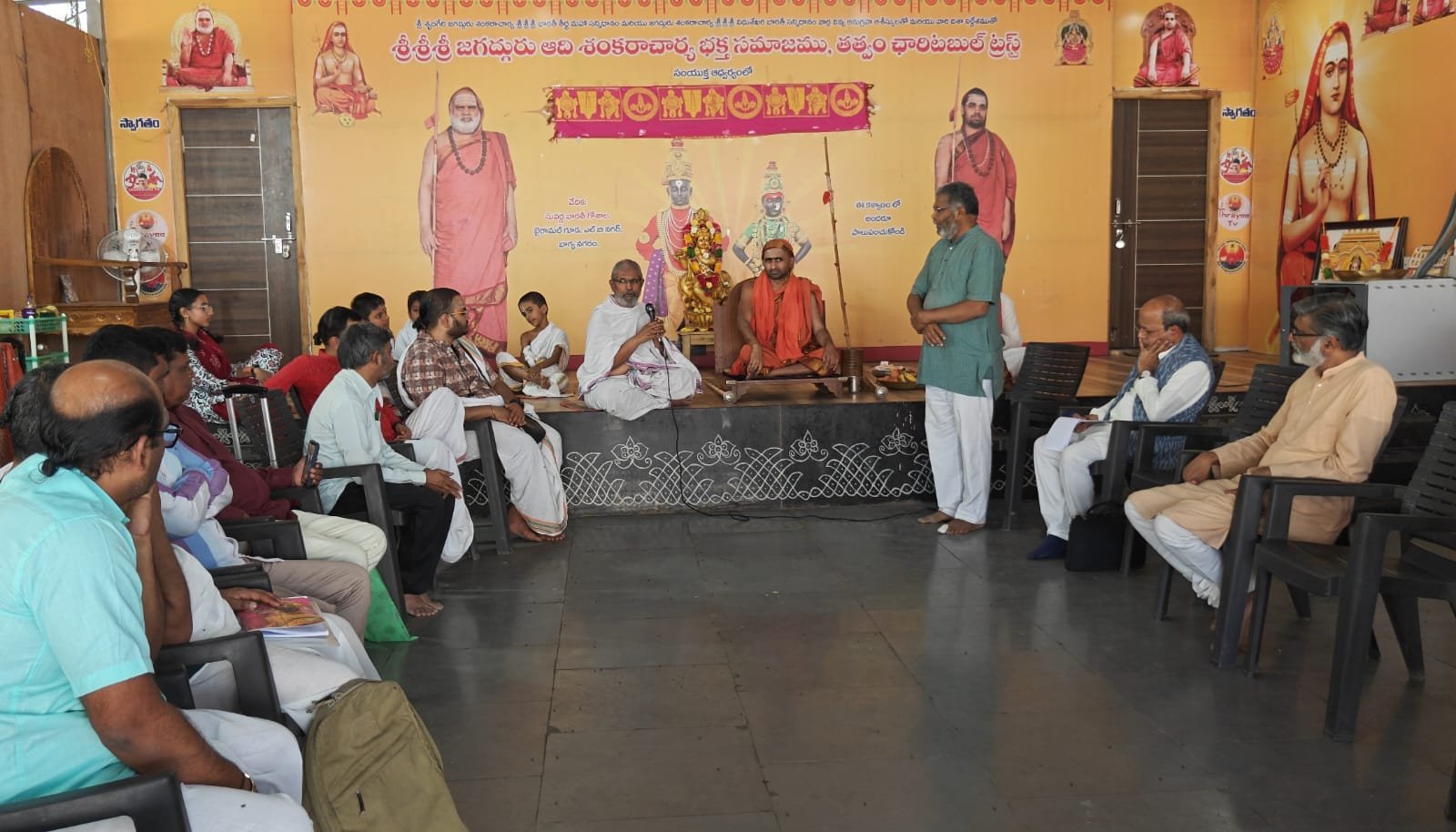
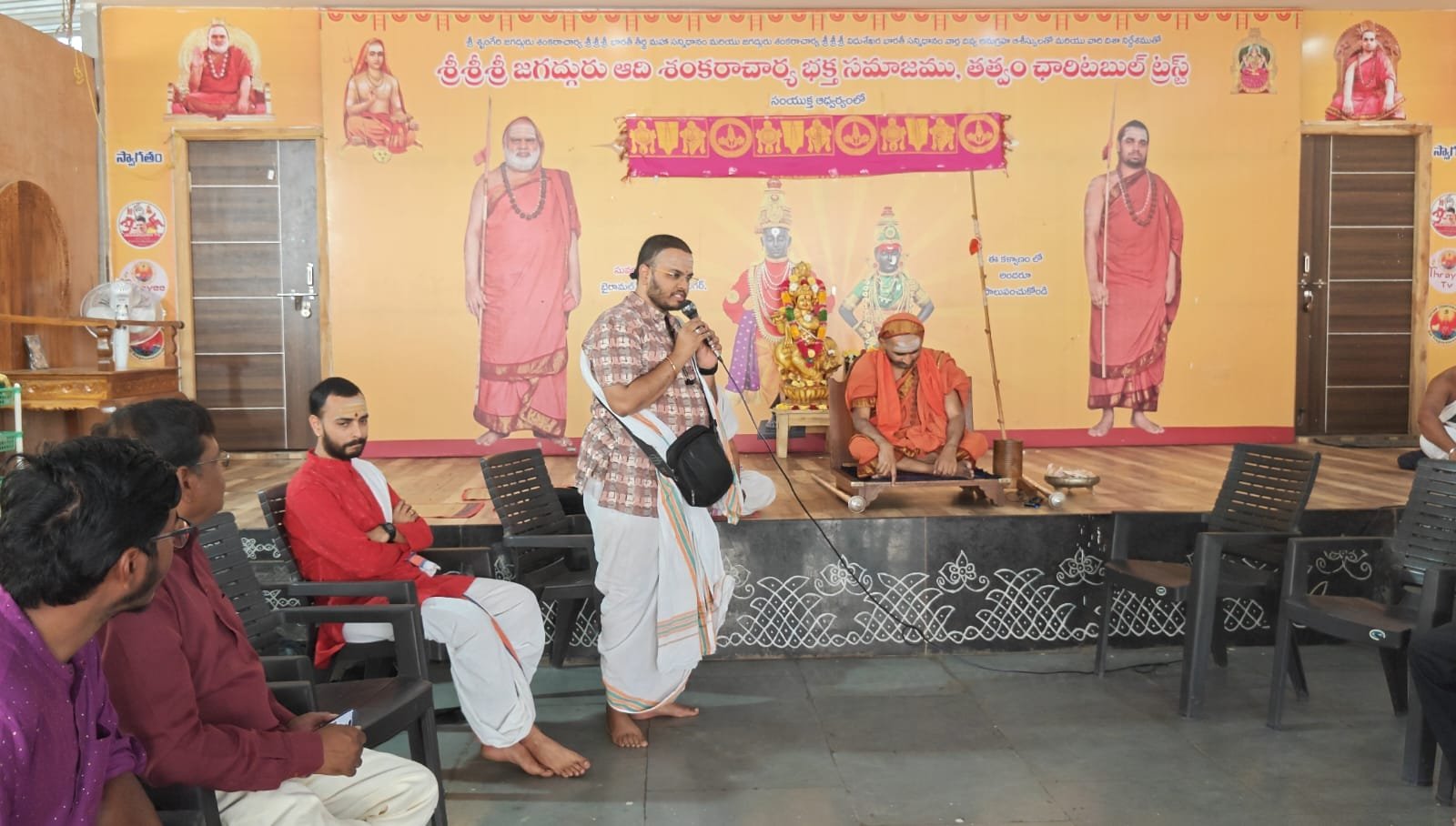
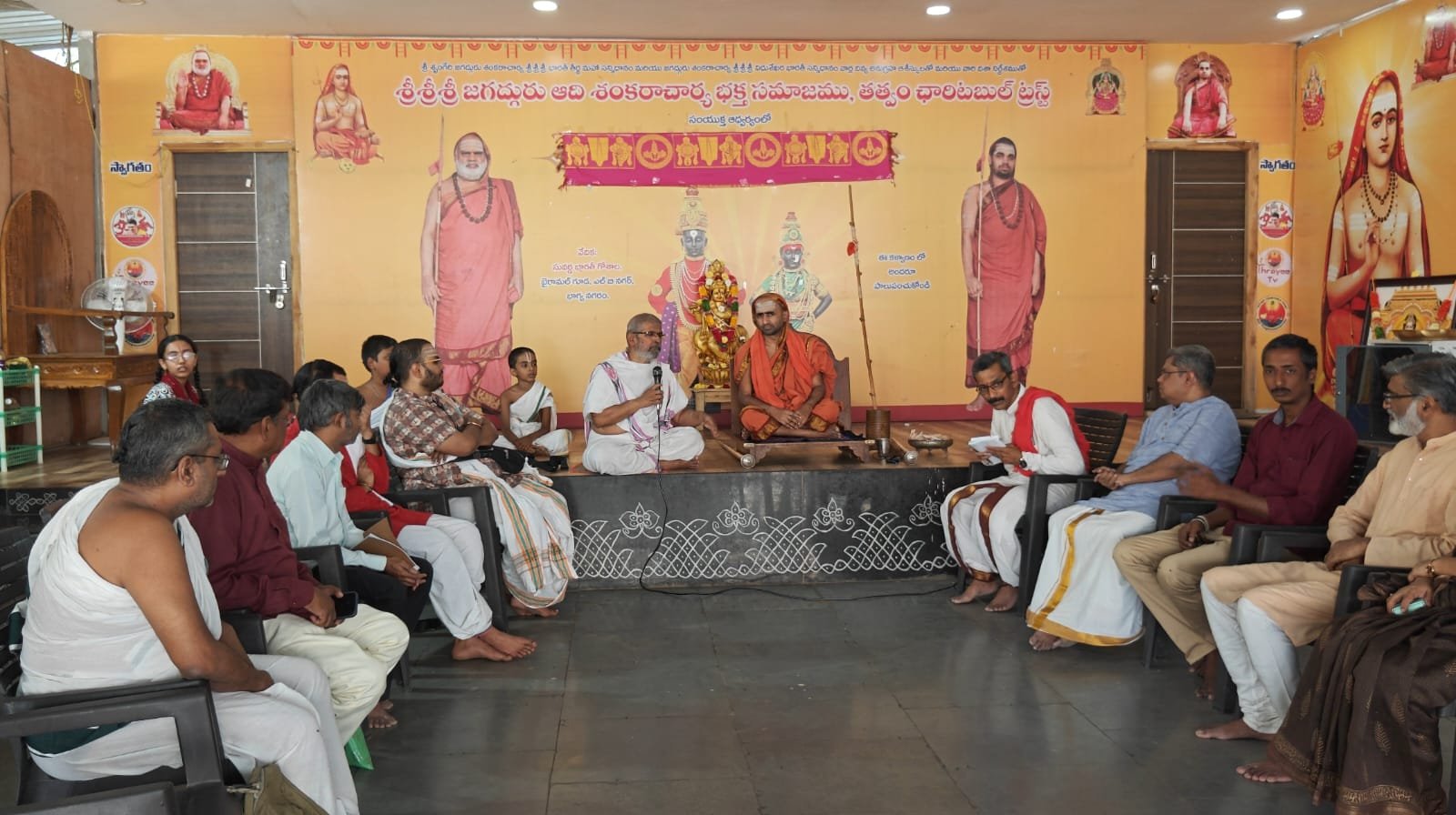
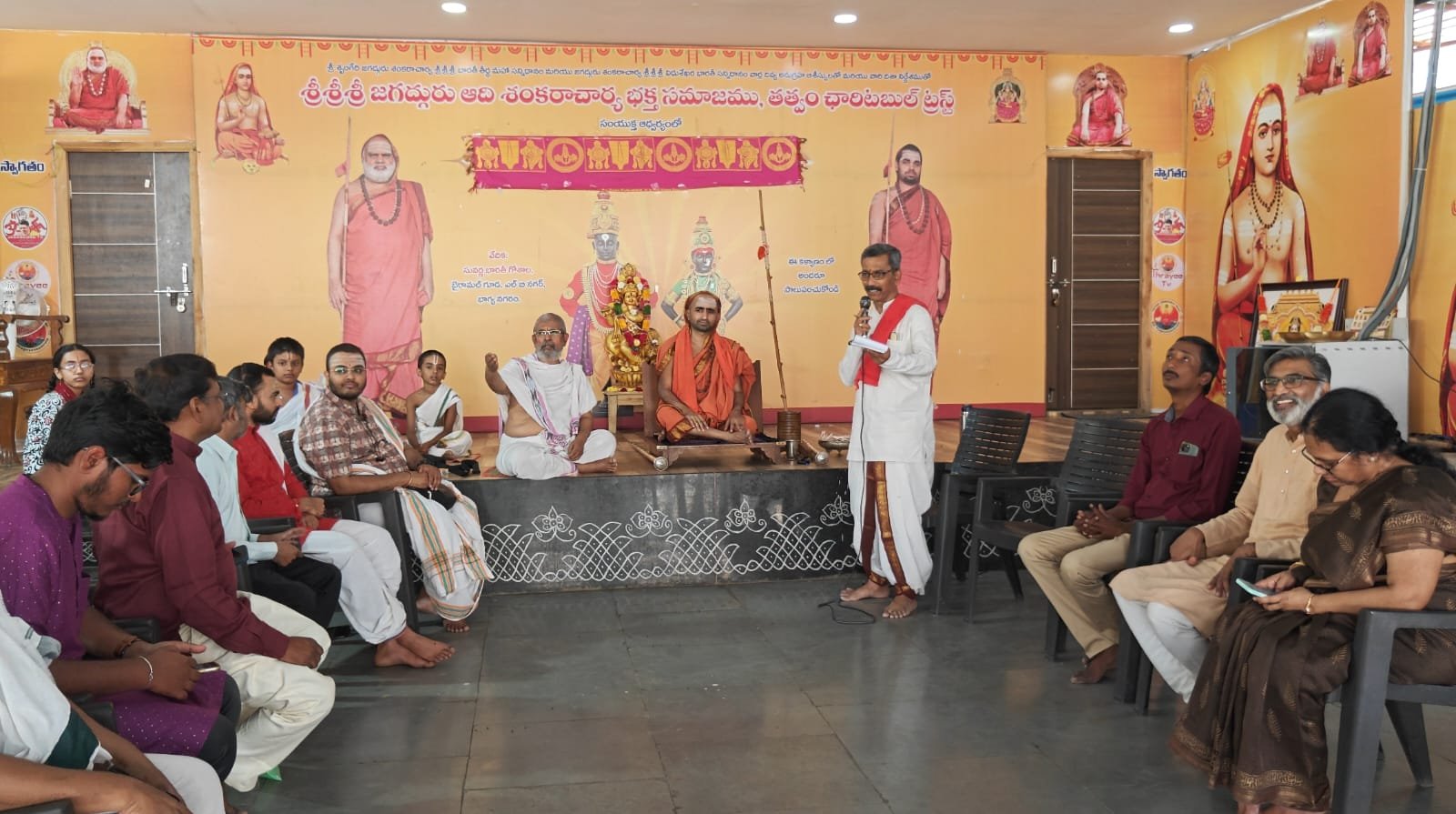
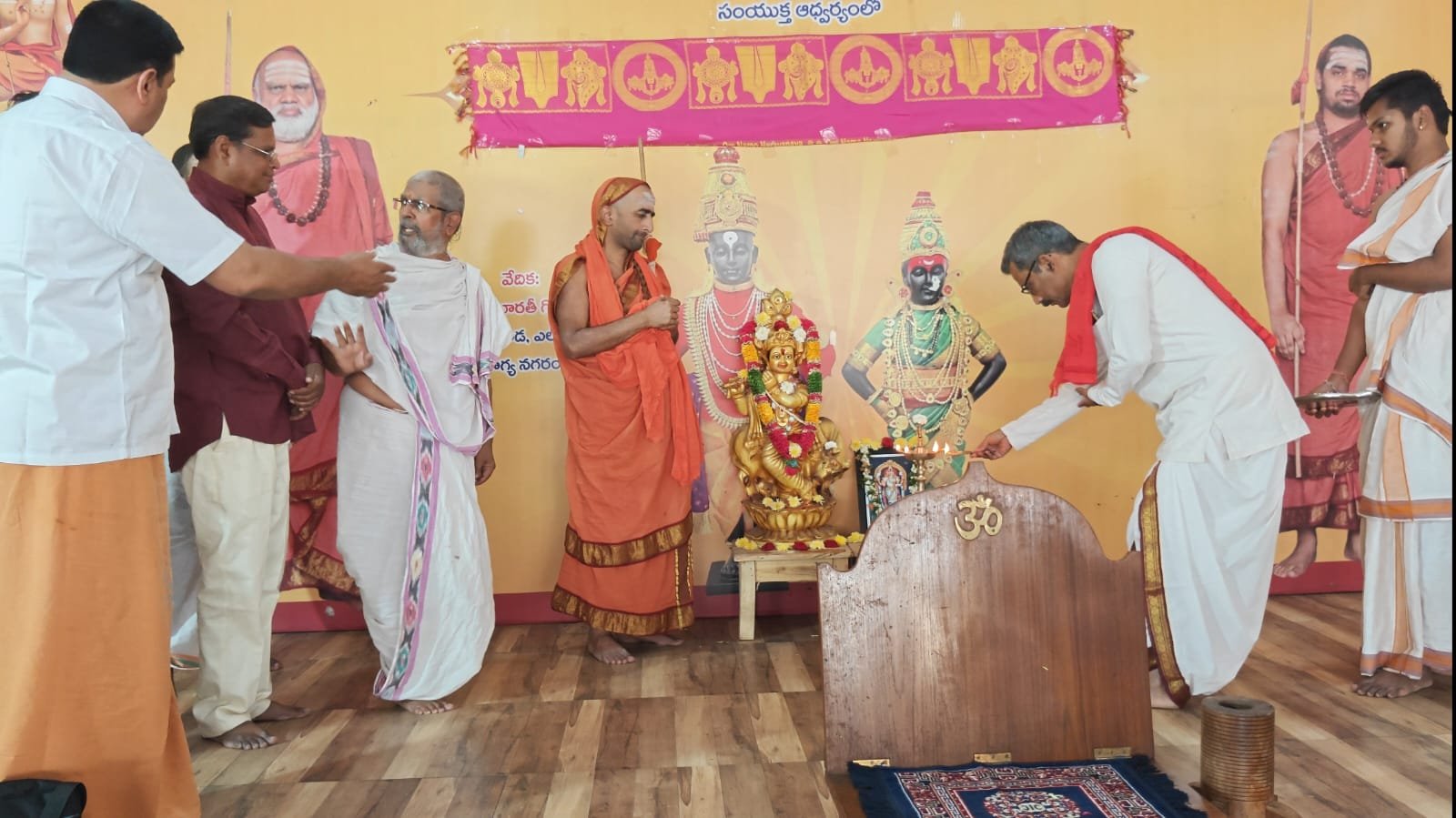
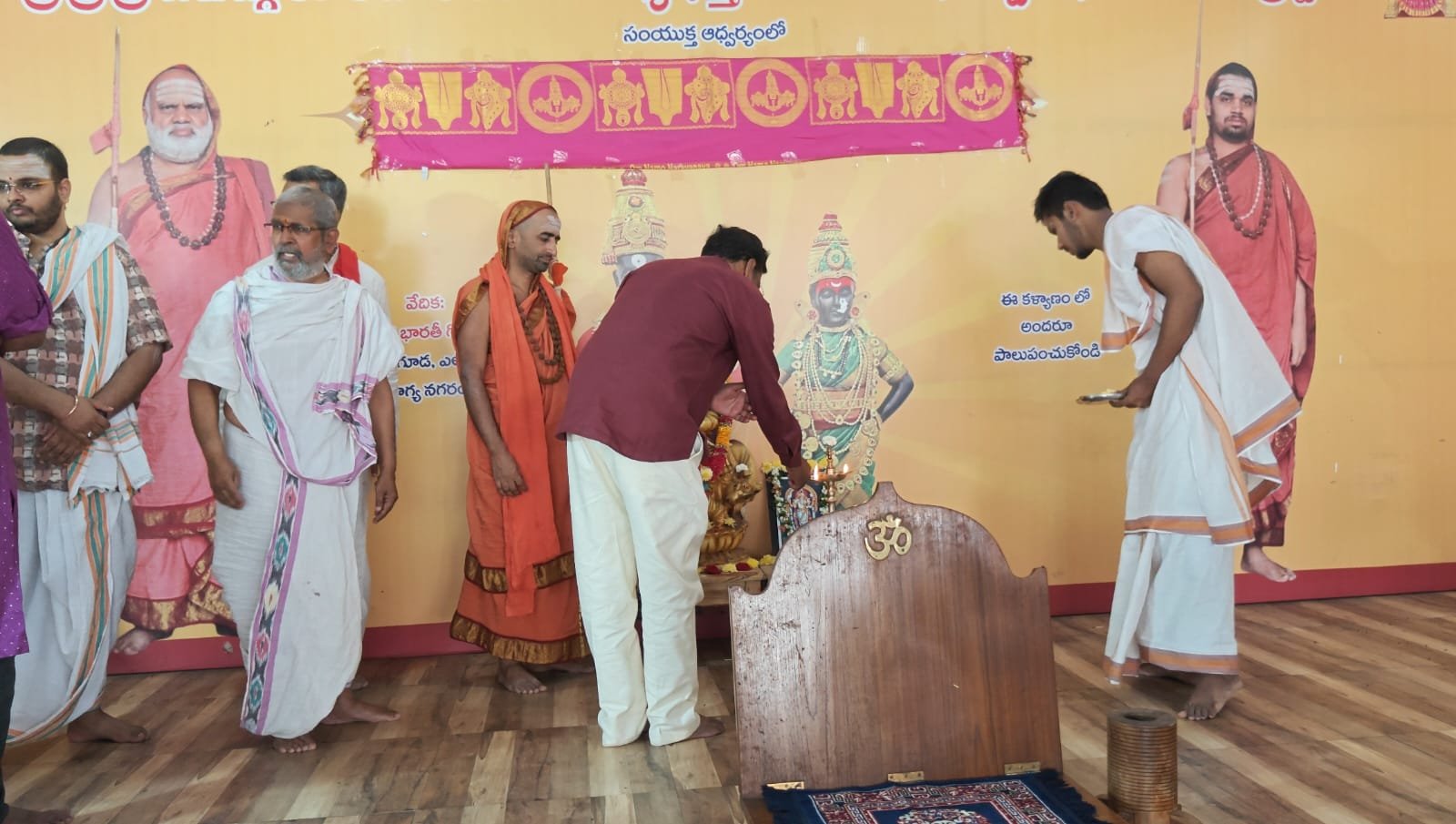
The Conference Overview
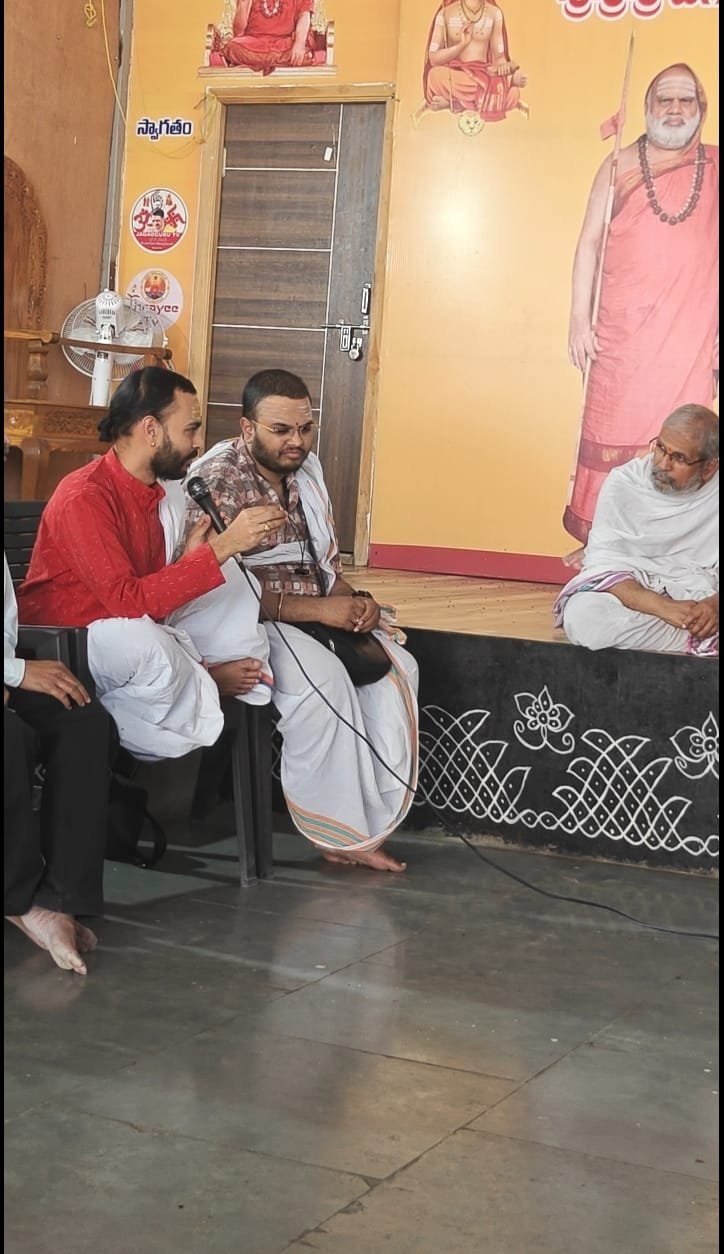
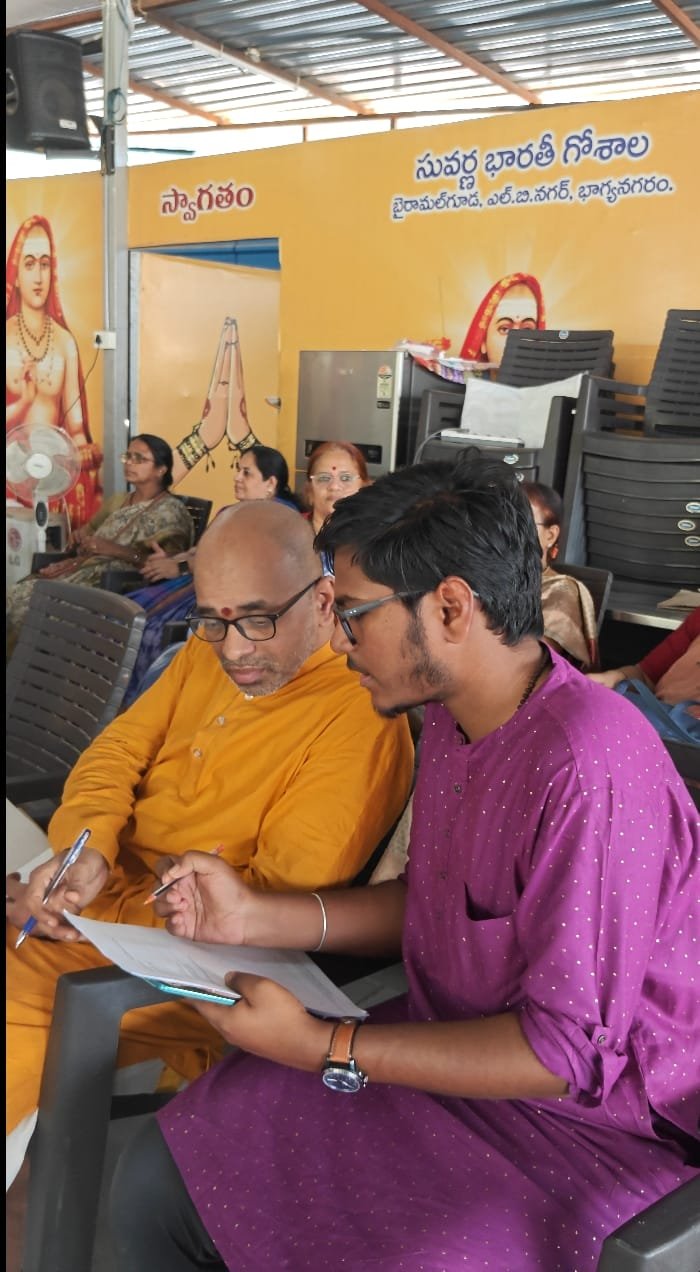
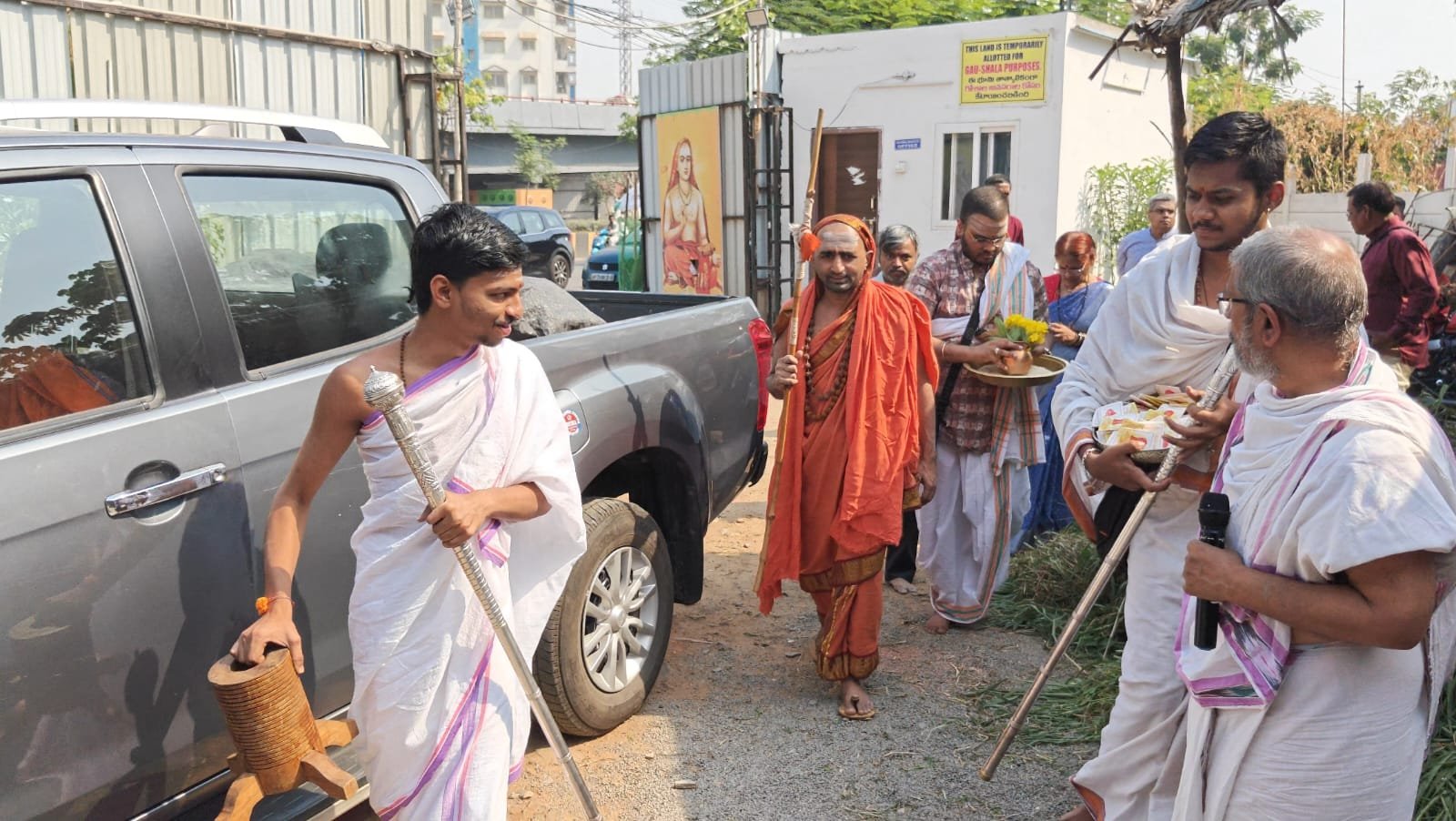
Dignitaries and Participants
MINUTES:
Key participating organizations included:
1. Kameswari Foundation
2. Indic Academy
3. ValmikiAshramaGurukulam
4. Niramaya Society
5. Rishi VatikaGurukulam
6. DamareshanandanathaGurukulaVidyalayam
7. ManavataVishwaVidyalayam(Voluntary Social Service Organization)
8. DharmadharaPathashala
9. Anadi Foundation
10. St. Ann’s College for Women (Rep by K .Sreedevi, Assistant Professor, Head Department of Sanskrit, Convener Indian Knowledge Systems)
11. Srinidhi College of Education (Rep by Mrs.Seeta Gomati Dittakavi, Academic advisor)
12. And several other eminent scholars and speakers.
Opening and Keynote Address
The existential threats posed to humanity by the current modern education system.
The Vedic Necessity: Guruji emphasized the urgent need for Bharateeya Vedic education to safeguard the intellectual and spiritual wealth of Bharat and Humanity across the Globe.
Collective Responsibility: Guruji called upon families, parents, public leaders, and religious organizations to recognize their duty in preserving this knowledge lineage for future generations.
Key Deliberations and Resolutions
The participants shared their experiences and discussed the following critical themes:
1. Countering Colonial Mindsets: Increasing awareness about the harms of colonial-era education and highlighting the greatness and necessity of the Indian Education System.
2. Urban Gurukulams: Exploring and improving the feasibility of establishing Gurukulams within city limits.
3. Overcoming Challenges: Addressing local opposition to Veda Pathashalas and confronting threats from those ideologically opposed to Indian heritage.
4. Parental Awareness: Educating current and future parents on the methods of providing integrated, holistic education to children through Ancient Indian Value based Knowledge Systems.
5. Capacity Building: Developing a structured cadre of Acharyas (teachers) and exploring financial resources like CSR for educational sustainability.
6. Curriculum Development: Developing an integrated curriculum that bridges ancient civilizational wisdom with modern practical application, ensuring the syllabus fosters both intellectual depth and character building.
7. Curriculum Superiority: Demonstrating how Indian knowledge-based curricula are superior to current modern academic syllabi.
8. Dispelling Myths: Removing misconceptions regarding Vedic texts and primary scriptures while showcasing their contribution to education, human survival and progress.
9. Restoring Teacher Dignity: Launching initiatives to increase the social respect and status of teachers who impart traditional Indian wisdom.
10. Legal & Policy Advocacy: Creating awareness among parents and founders regarding the legal provisions for Gurukulams in Indian law. Furthermore, educating government officials on the legal boundaries and the rights of these indigenous institutions.
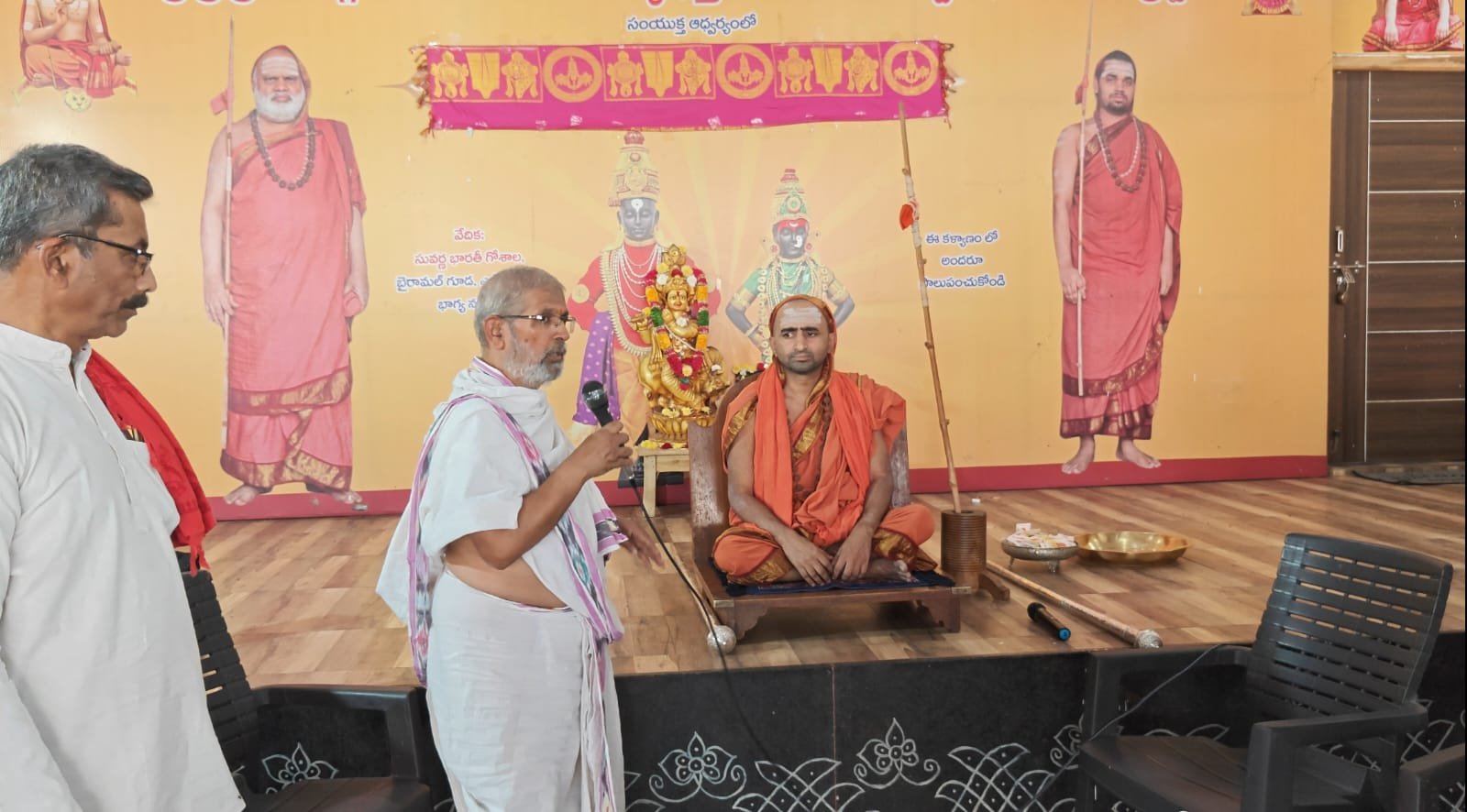
Brahmasri Pasarlapati Srinivasa Bangarayya Sarma Sri Bangarayya Sarma highlighted the legal and social framework of education. On Constitutional Advocacy, He suggested a concerted effort toward seeking amendments to Article 30 of the Constitution to ensure equity in educational rights. On Social Responsibility: He advocated for restoring the traditional view of education as a collective social responsibility (SamajikaBadhyata) rather than a commercial enterprise.
Synthesizing the day’s discussions, the convener of SUDHEE, P. Ravi Kumar detailed the practical “Modus Operandi” for strengthening the indigenous ecosystem as follows:
- Legal Frameworks: He explained the provisions available for Gurukula education, ranging from international statutes to state government regulations.
- SUDHEE’s Strategic Initiatives: Developing an Acharya Cadre (Faculty Building).
- Integrating Indian Knowledge Systems such as Veda Ganitham, Ayurveda, NakshatraVidya etc., into formal streams like NIOS and Telangana Open Schools.
- Creating awareness programs to bridge the gap between parents and the Gurukula system.
- Institutional Protection: He shared details regarding the legal support SUDHEE provided to institutions facing unauthorized administrative hurdles or interference from officials.
- Support for Diverse Educational Models: The Convener highlighted SUDHEE’s specialized role in providing end-to-end assistance for establishing traditional and modern Gurukulas, integrating Indian Knowledge Systems (IKS) into mainstream school programs, and offering a supportive framework for parents successfully navigating the Homeschooling model to ensure their children receive a value-based, holistic education.
The Convener, expressed profound gratitude to His Holiness Sri Sri Sri Abhinava Shankara Bharati Swamiji for his divine guidance, and extended heartfelt appreciation to the scholars, institutional heads, and representatives for their commitment to the cause of indigenous educational renewal.”
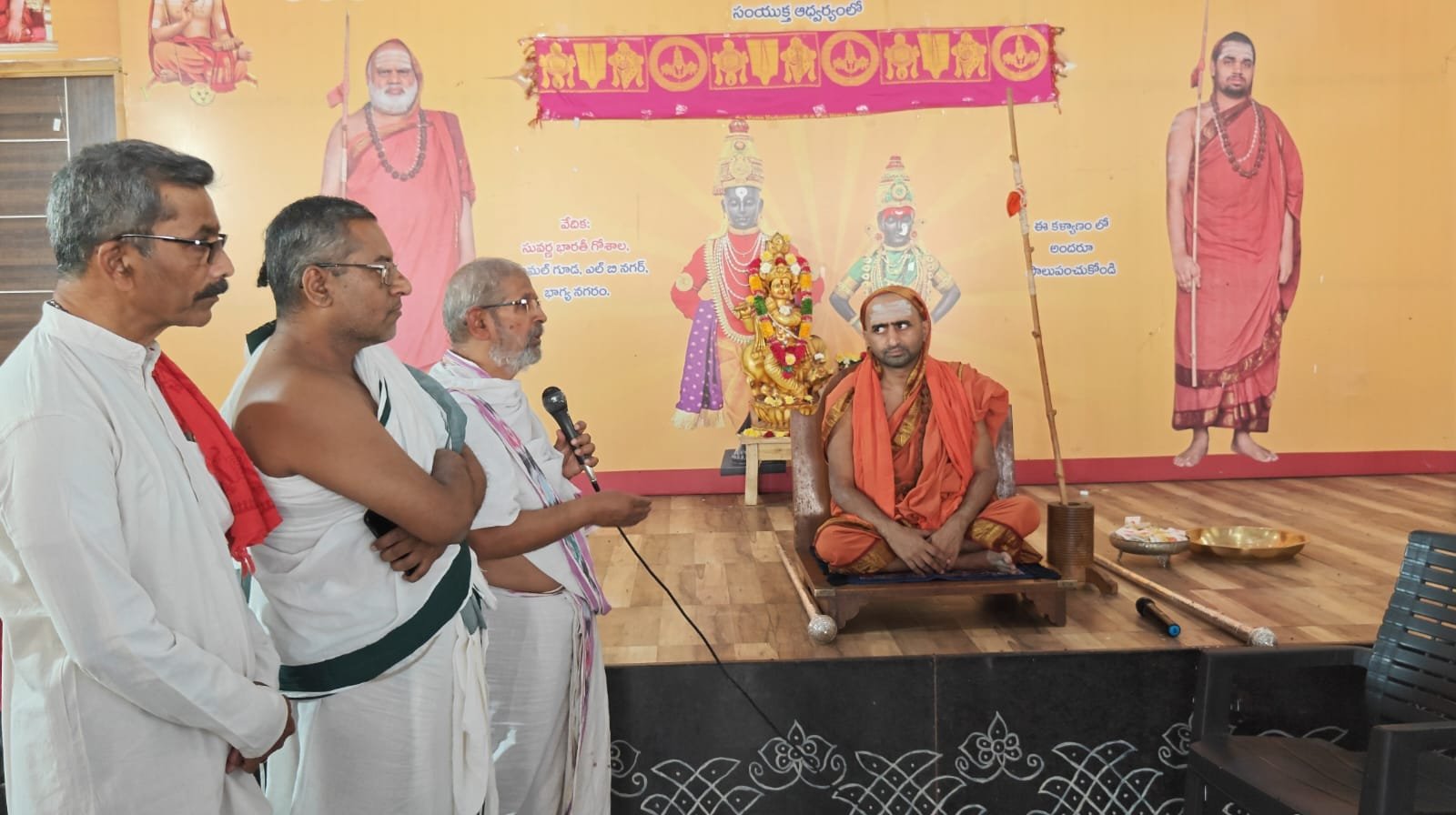
Benedictory Address and Directives (AnugrahaBhashanam)
Sri Sri Sri Abhinava Shankara Bharati Swamiji His Holiness provided the vision and “Disha Nirdesham” (Directional Guidance) for the movement as follows:
- Academic Excellence: He called for increased academic research to establish the prestige, scientific validity, efficiency and quality of Gurukula Education System along with reputation building.
- Promotion of Superiority: He directed that the virtues of Gurukula education be actively promoted in comparison to standard schooling to elevate its social standing.
- Autonomy and Integrity: He emphasized that Gurukulams must maintain SwayamPratipatti (Autonomy). Crucially, he noted that administrators should ensure Gurukulams remain under the absolute guidance of the Guru, without external interference in traditional pedagogy.
- National Support: He highlighted the work of a national-level expert committee appointed by the Peetham to address legal, curricular, and administrative bottlenecks. He encouraged all stakeholders to utilize the services of this expert group to resolve systemic challenges.
Key Deliberations & Curriculum Building
The assembly reached a consensus on the following:
- Curriculum Reform: Designing a curriculam that removes misconceptions about Vedic texts and demonstrates their practical utility for modern human survival.
- Teacher Dignity: Launching initiatives to restore the honour and social status of educators teaching traditional wisdom.
- Urban Feasibility: Developing models to make Gurukula education accessible and sustainable within urban environments too.
Action Items for SUDHEE:
1. Formulate a task force for IKS curriculum integration with Open Schooling boards.
2. Establish a legal cell to assist parents and founders with “Home Schooling” and Gurukula registrations.
3. Organize “Parent Awareness Workshops” regarding the holistic development of children.